Discover Chicago’s infamous gangster past on a private, fully personalized tour through the city’s historic Prohibition-era streets. Travel in comfort with your English-speaking driver, who shares captivating stories about Al Capone, rival gangs, speakeasies, and legendary crime events of the 1920s and 1930s. Begin at Biograph Theater, where John Dillinger was shot, then visit the St. Valentine’s Day Massacre site, a pivotal moment in Al Capone’s rise. Explore Holy Name Cathedral, the Cook County Criminal Court Building, and Harry Caray’s Italian Steakhouse, all linked to Chicago’s mob history. Conclude in the Chicago Loop, uncovering hidden speakeasies and secret nightlife spots from the Prohibition era. With a flexible, door-to-door itinerary, this private tour offers an immersive, thrilling look into the city’s dramatic gangster history.
Chicago
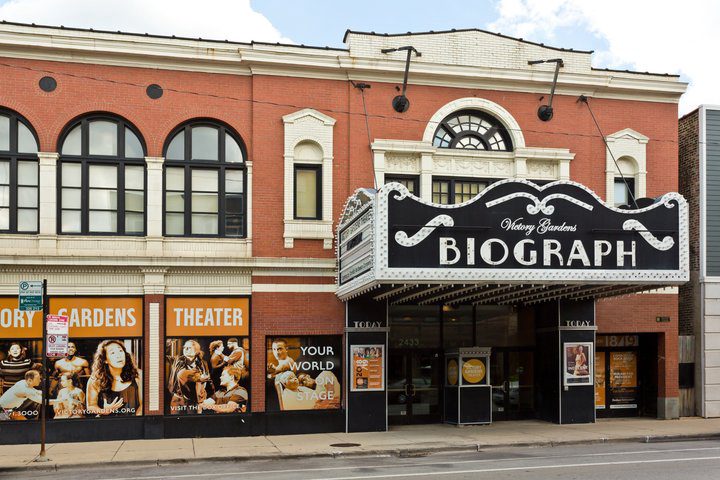
The historic Biograph Theater is best known as the location where famous gangster John Dillinger was killed by FBI agents in 1934. The dramatic shootout occurred just outside the theater after he attended a movie screening. Today the building remains an important landmark connected to Chicago’s criminal past. It stands as a reminder of the city’s turbulent Prohibition-era history.
Chicago
St. Valentine’s Day Massacre Site. This site marks the location of the infamous St. Valentine’s Day Massacre of 1929, one of the most shocking events in American organized crime history. Seven members of a rival gang were murdered in a brutal execution widely linked to Al Capone’s criminal empire. The massacre shocked the nation and intensified efforts to crack down on organized crime. Today the site remains a powerful symbol of Chicago’s gangster era.
Chicago
Holy Name Cathedral. Holy Name Cathedral is one of Chicago’s most important religious landmarks, but it also has a surprising connection to the city’s crime history. In 1926, gunmen attempted to assassinate Al Capone outside the cathedral in a dramatic drive-by shooting. Capone narrowly escaped the attack, adding another chapter to the city’s violent mob conflicts. The cathedral still stands today as both a place of worship and a historic site.
Cook County
Cook County Criminal Court Building. This courthouse played a central role during Chicago’s battles against organized crime. Many mobsters, gang leaders, and criminals faced trials here as authorities worked to dismantle powerful criminal organizations. The building became a symbol of the legal fight against the city’s infamous gangster networks. Its history reflects Chicago’s long struggle to restore law and order during the Prohibition era.
Cook County
Harry Caray’s Italian Steakhouse (Former Mob Hangout). Located in a historic building once associated with Chicago’s criminal underworld, this location has connections to the city’s mob history. During the Prohibition era, many restaurants and clubs secretly served alcohol and became gathering places for powerful figures. Today the building is home to one of Chicago’s well-known restaurants while still preserving its intriguing past.
Approximate. The operator confirms the exact meeting point on your booking.
The price depends on how many are going. Pick a date and it is quoted for your group.
Your card is authorised when you book and charged when it's due, two hours before the operator's free-cancellation window closes.
Tap how many are coming to see live prices.
Cook County
Chicago Loop Prohibition-Era Locations. The Chicago Loop was once filled with hidden speakeasies where illegal alcohol was served during Prohibition. Behind ordinary storefronts, secret bars operated throughout the city, often protected by powerful crime syndicates. These underground venues became central to Chicago’s nightlife during the 1920s. Walking through the area today reveals the streets where this secret world once thrived.
Run by Turkey Tours Company
FromUSD 252